


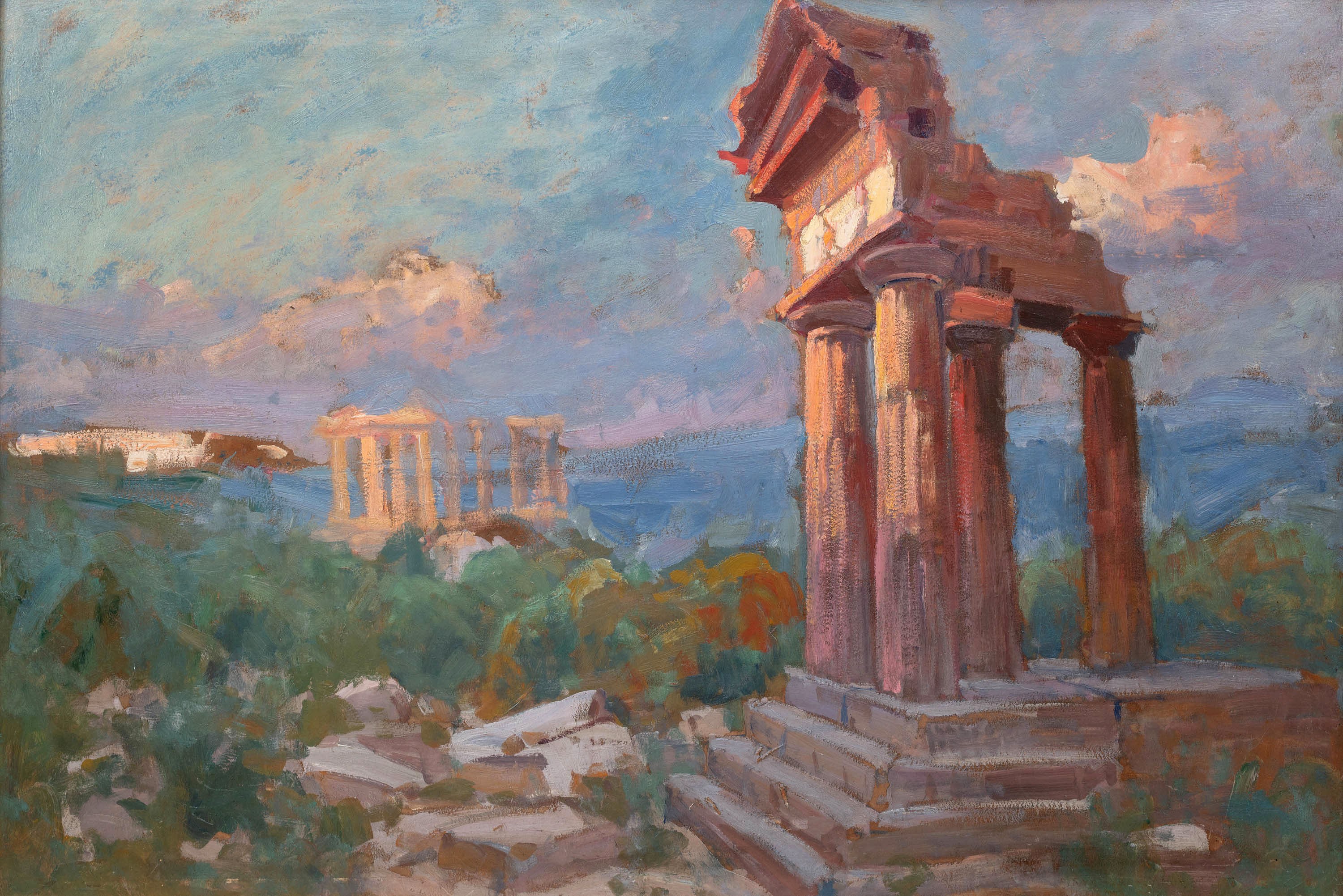
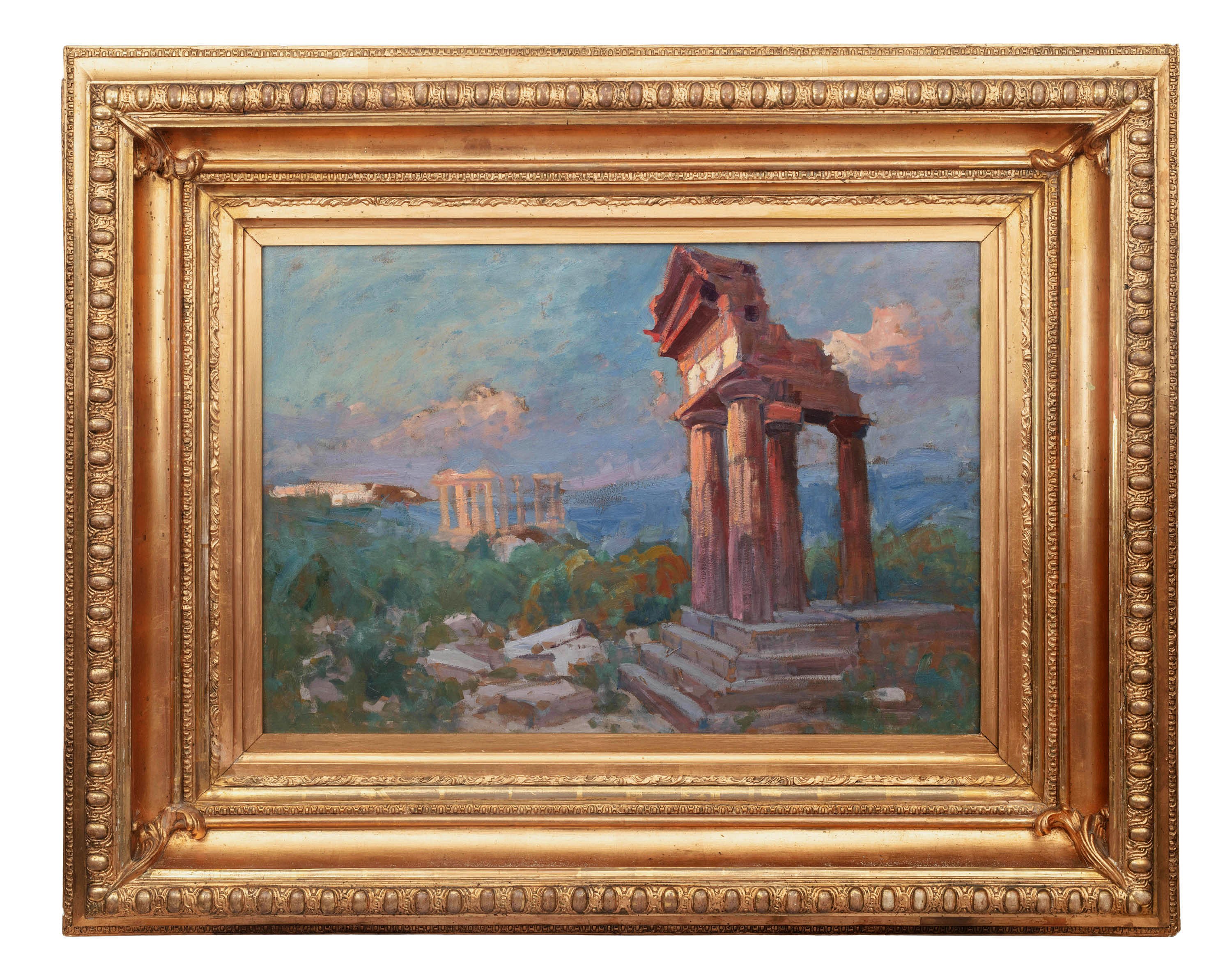
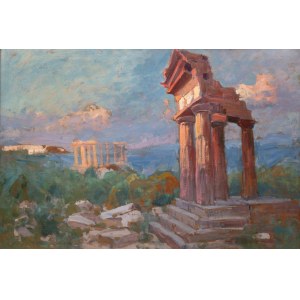
oil on cardboard, 49.5 x 71 cm
signed, dated, and inscribed at the bottom right: "B. RYCHTER - JANOWSKA / GIRGENTI 1913"
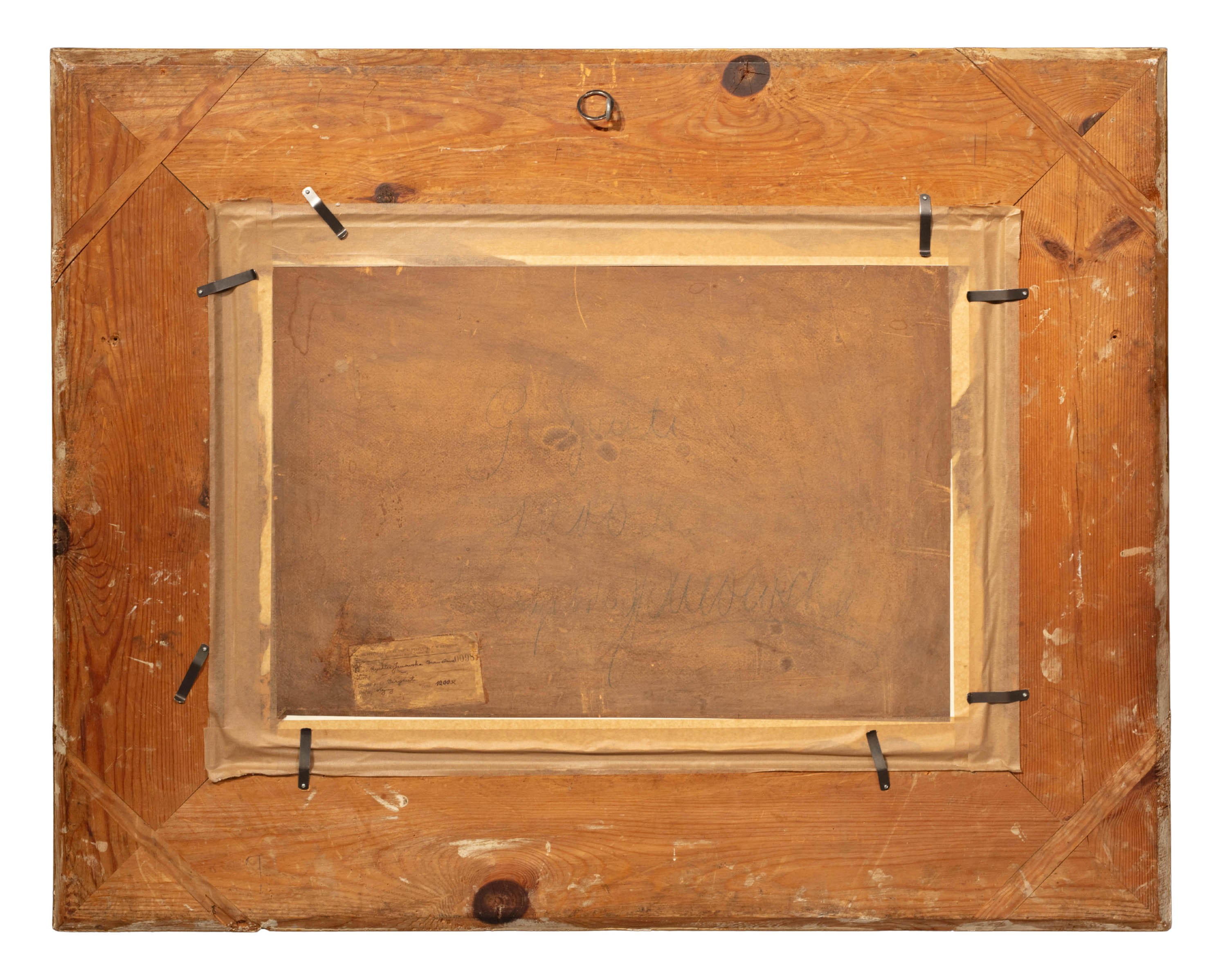
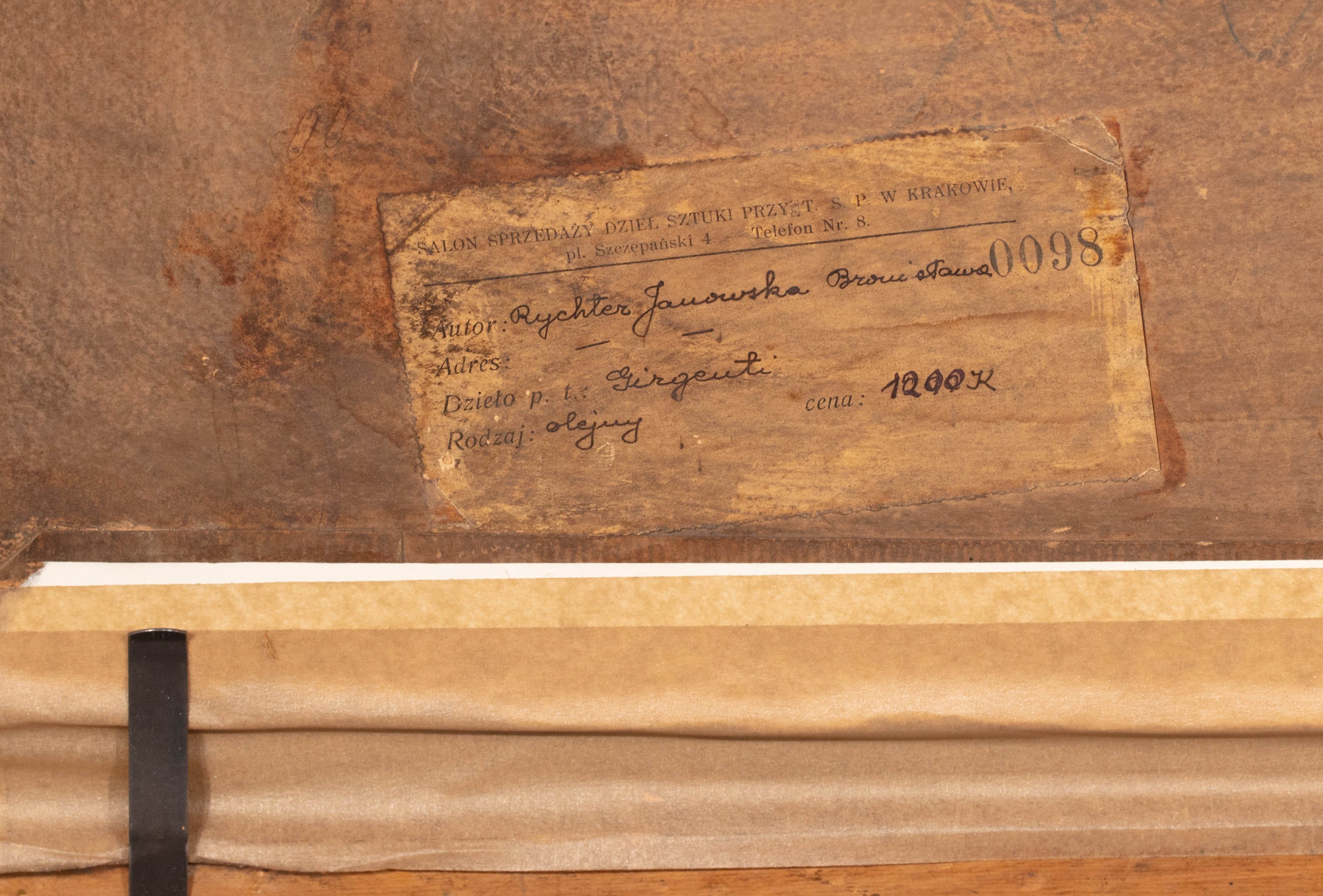
on the reverse, handwritten inscriptions by the artist in pencil: "Girgenti / B. Rychter Janowska" and a sticker from the TPSP Art Sales Salon in Kraków
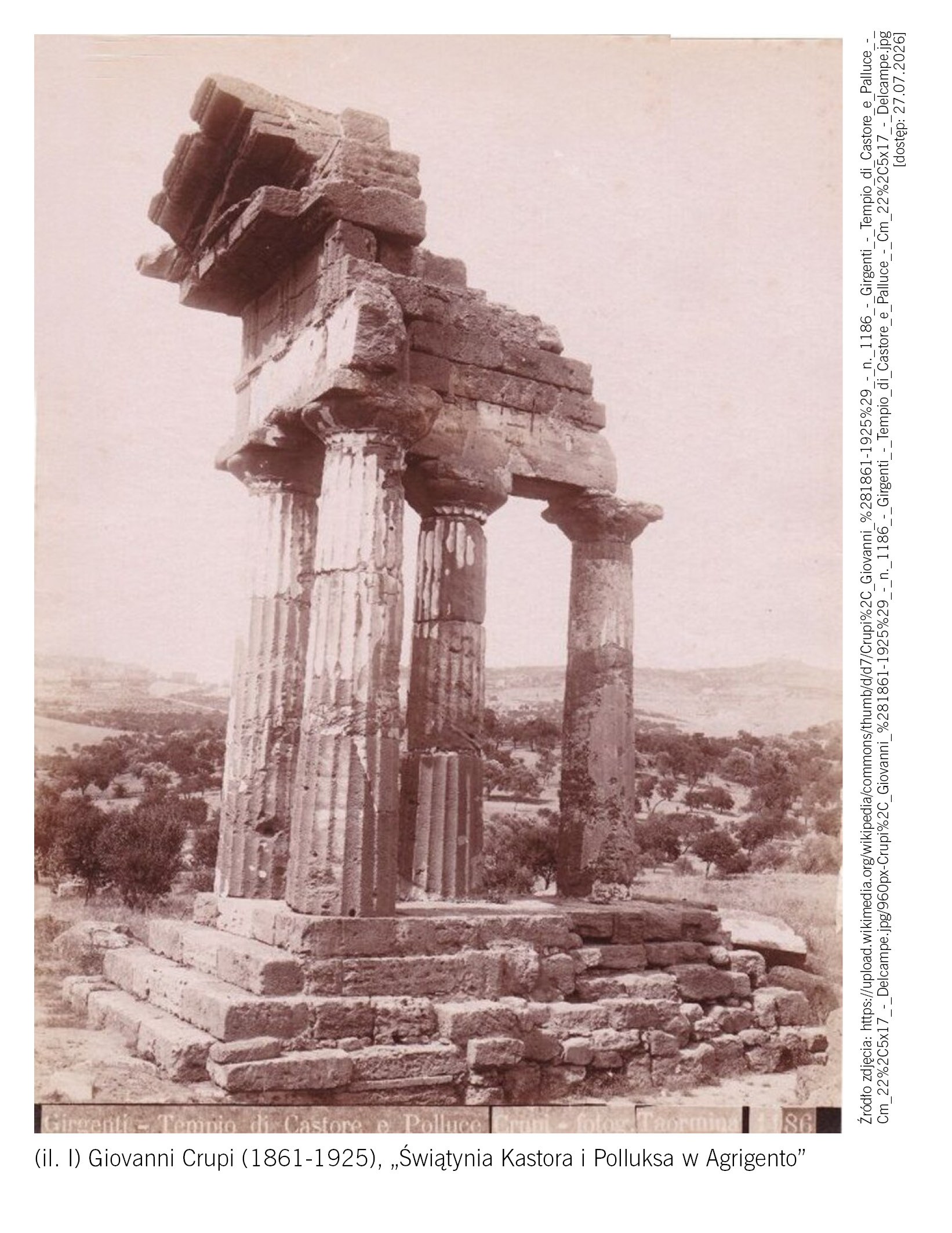
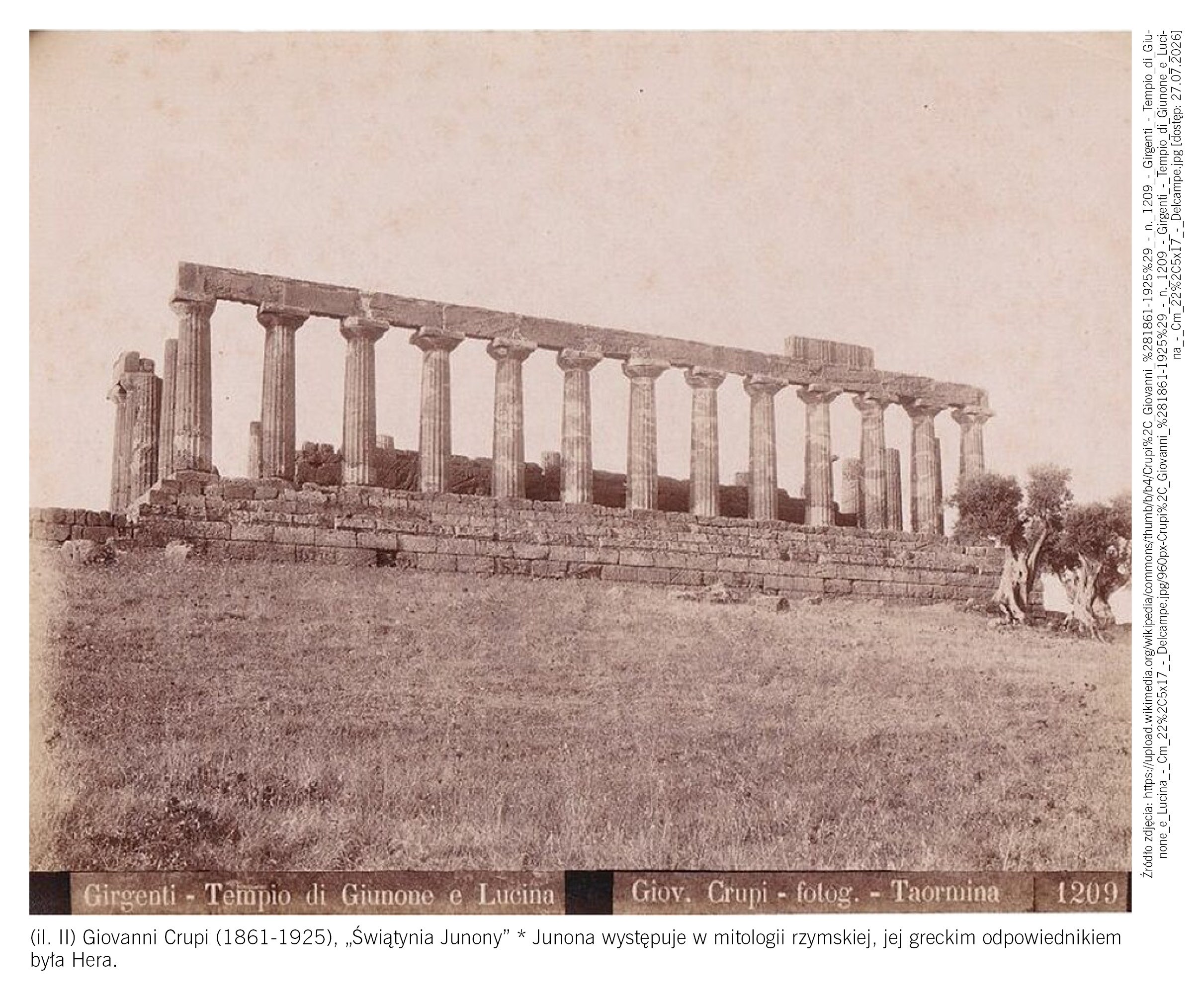
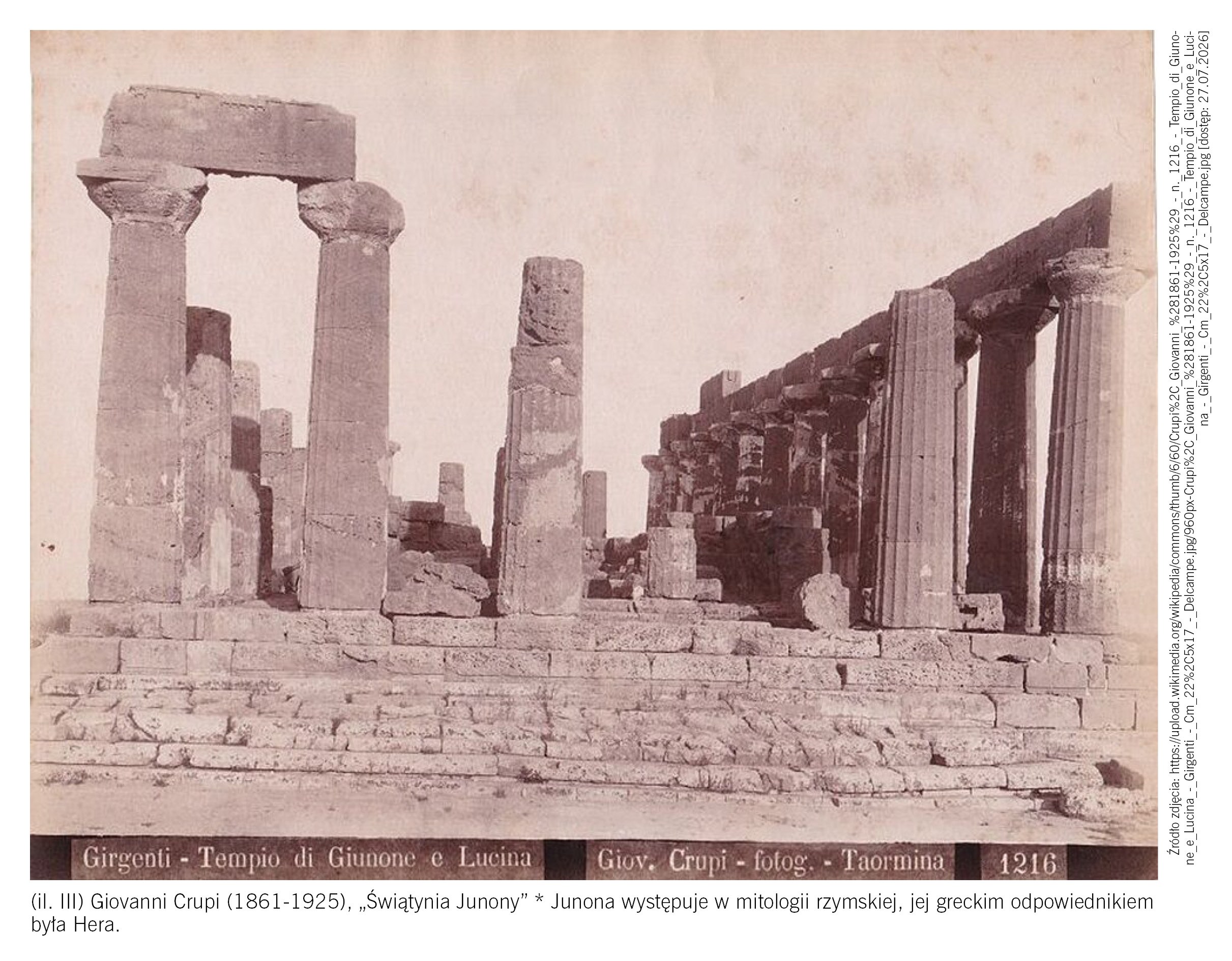
The painting depicts the ruins of the Temple of Castor and Pollux and the Temple of Hera.
In June 1912, Bronisława Rychter-Janowska traveled to Prague to participate in an exhibition showcasing the work of Polish female artists. From there, traveling through Germany and Austria, she set off for Italy, where she spent the next two years, with some interruptions. “These were her longest artistic journeys. She called them ‘a search for beauty.’ She spontaneously documented the beauty she discovered in her paintings, seeking to capture the light and atmosphere of the landscape she was painting. She painted directly from nature, in the heat of the moment, because only in this way could she capture the mood of the fleeting moment.” (Bogdan Podgórski, “In Search of Beauty: Bronisława Rychter-Janowska 1868–1953,” Kraków 2015, p. 131.) It is precisely these canvases, immortalizing the places she visited during her numerous travels, that constitute the most magnificent and, at the same time, the most abundant part of her artistic oeuvre. “Her Mediterranean landscapes are characterized by grace and lightness. They are painted freely, with bold brushstrokes, as if the artist could sense Simon Hollósy—her Munich teacher of landscape painting—standing beside her easel.” (Bogdan Podgórski, “In Search of Beauty: Bronisława Rychter-Janowska 1868–1953,” Kraków 2015, p. 136.).
During her stay in Italy, the artist lived in Rome, then in Naples, and later in Sicily. She had a special fondness for Taormina in Sicily, and it was there that she spent the most time. “Taormina kept me there the longest. It is the most beautiful corner of the world, as if suspended on the cliffs, 400 meters above the sea, with traces of Greek culture and the Middle Ages everywhere.” (Bronisława Rychter-Janowska, *My Diary 1912–1950*, p. 863.)
This painting by Bronisława Rychter-Janowska depicts the Valley of the Temples (Valle dei Templi) in Agrigento, Sicily. The artist captured, among other things, the ruins of the Temple of Castor and Pollux (also known as the Temple of Concord) (Fig. I) and the Temple of Hera (Fig. II) (Fig. III).
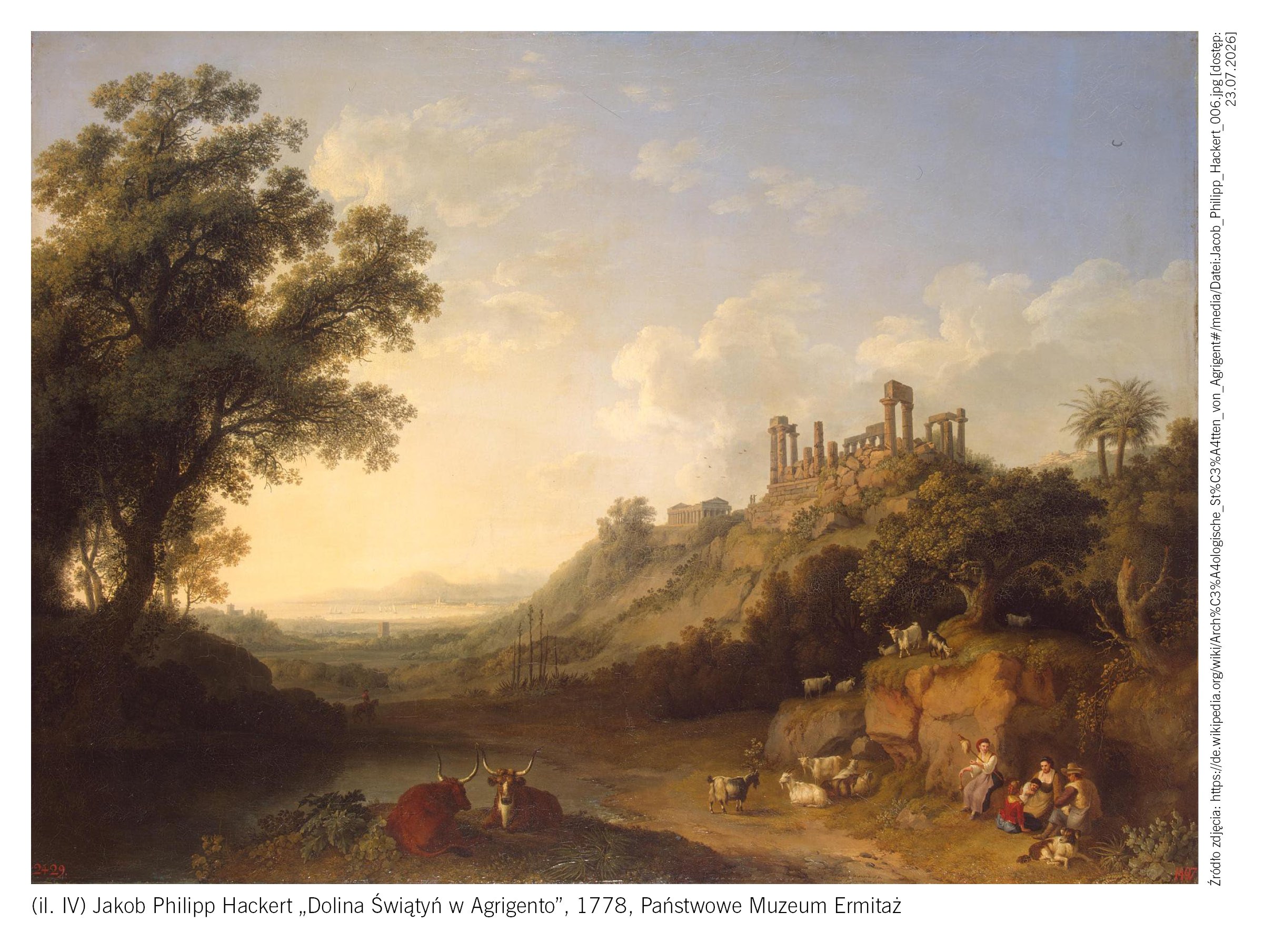
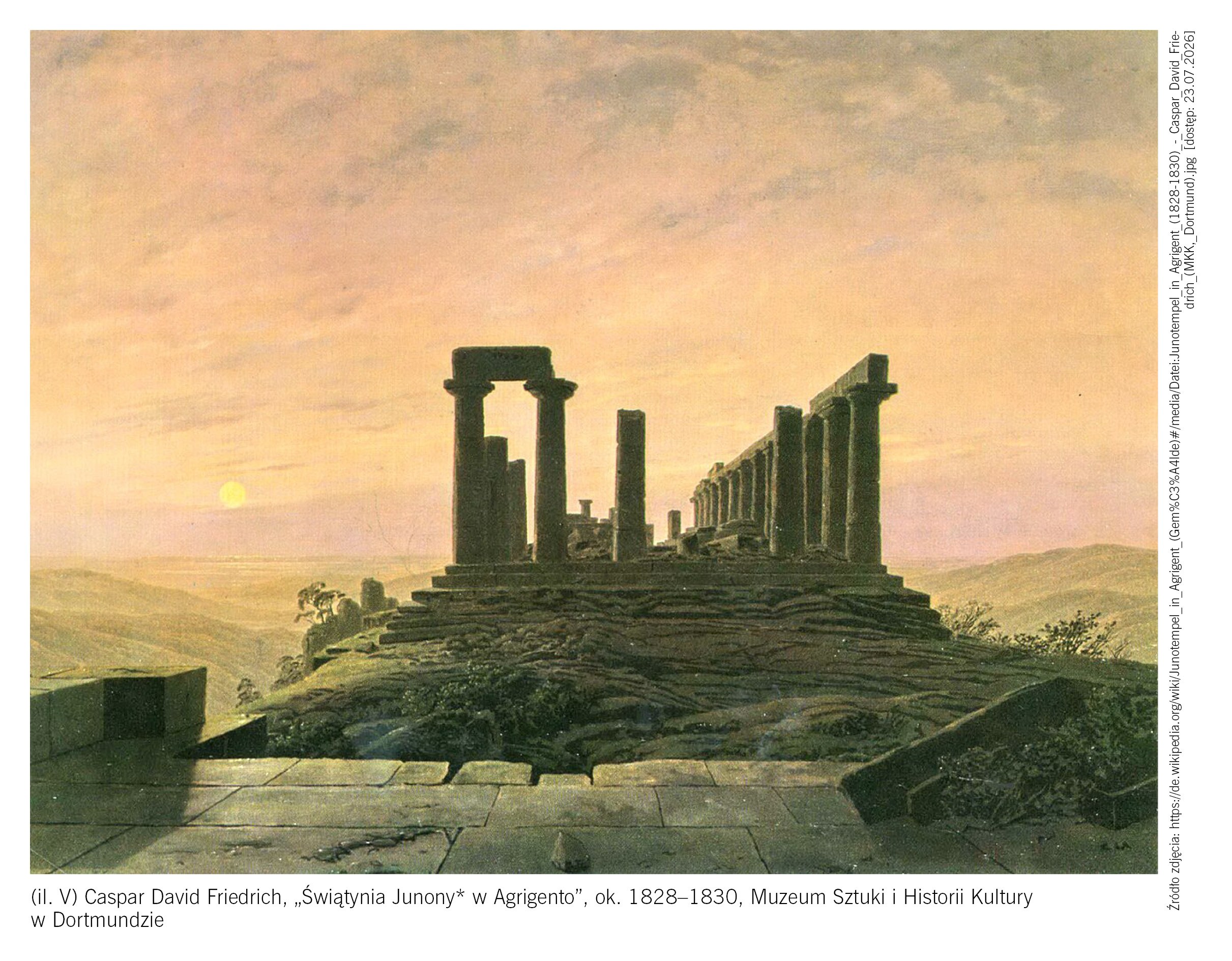
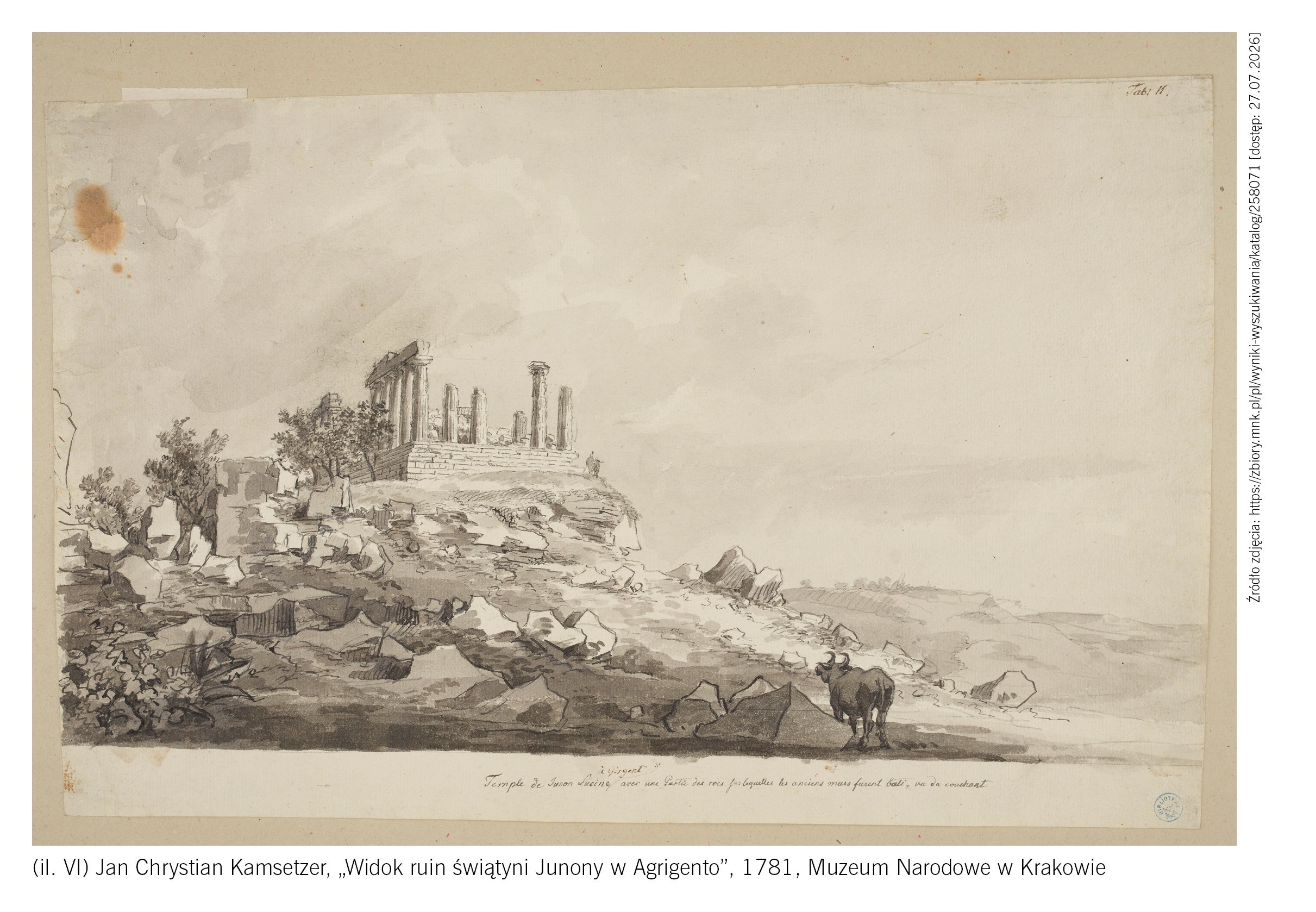
Agrigento in Sicily is an area under archaeological investigation that conceals the remains of the ancient city of Akragas (Latin: Agrigentum). It was founded in 582 B.C.E., during the second wave of Greek colonization. It quickly rose to become the second most important polis in Sicily, after Syracuse. The ruins of the city’s former grandeur and its impressive temples have fascinated artists for centuries, serving as inspiration for numerous works of art and literature. These landscapes were immortalized by masters such as Jakob Philipp Hackert (“The Valley of the Temples in Agrigento,” 1778, State Hermitage Museum) (ill. IV), Caspar David Friedrich (“Temple of Juno in Agrigento,” ca. 1828–1830, Museum of Art and Cultural History in Dortmund) (ill. V) and Jan Chrystian Kamsetzer (“View of the Ruins of the Temple of Juno in Agrigento,” 1781, National Museum in Kraków) (ill. VI). The painting by Bronisława Rychter-Janowska also fits into this tradition.










Nylig set
Log ind for at se genstandslisten
Favoritter
Log ind for at se genstandslisten